The Role of Traditional Chinese Medicine in the Prevention and Treatment of Tumors

The five-year survival of Chinese cancer patients is significantly lower than that of American patients. However, in the past ten years, its survival has increased by 10%. There are many factors for this increased survival, and Chinese medicine played an important role.

Advantages of Chinese medicine on tumors:

1. Emphasize the concept of people-oriented therapy and living with tumors peacefully.

This is a theoretical innovation.

Let’s first look at two examples of gastric cancer.
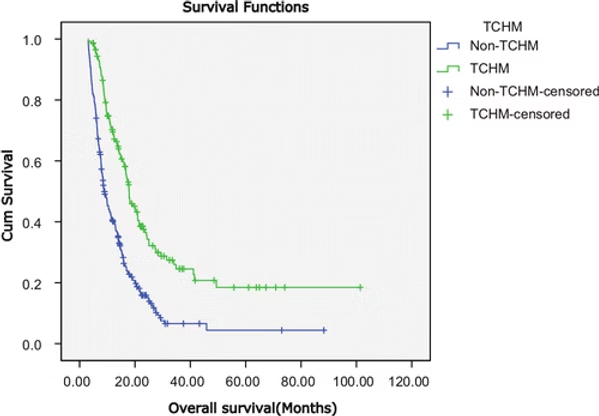
In the figure above, the median survival of patients taking traditional Chinese medicine was 17.9 months, while the median survival of patients not taking traditional Chinese medicine is 8.9 months. That means the life expectancy of patients taking traditional Chinese medicine is twice as long as those not taking it.
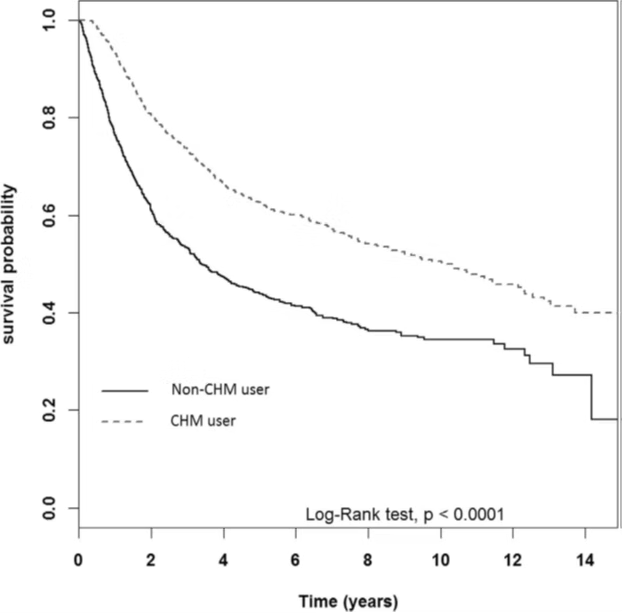
Figure 2 represents the experience of the entire Taiwan region. Similarly, patients who took

traditional Chinese medicine have significantly longer survival than those who did not. They also analyzed the 14-year survival rate of gastric cancer patients and found that it was 40% in the patients who used Chinese medicines, while only 18% in those who did not take Chinese medicines. Again, the use of Chinese medicines prolonged survival by more than twice. Further analysis found that even for patients taking traditional Chinese medicine, the adjusted hazard ratio (aHR) of taking Chinese medicine for more than 180 days a year is 0.37, while for patients taking 30-100 doses a year, it is 0.92. In other words, the survival of the former group is more than twice as long as that of the latter. Roughly speaking, patients who take traditional Chinese medicine for more than 180 days a year will survive at least four times longer than those who do not take traditional Chinese medicine. This once again illustrates the importance of the long-term use of Chinese medicine.

According to our experience, surgical treatment of solid tumors is currently the only promising method to cure tumors (no tumors in five years). Other therapies such as chemotherapy and immunotherapy, if they have little effect on tumor shrinkage after standard courses, or produce strong side effects, continuing this type of treatment will significantly reduce the quality of life and shorten the patient’s survival. On the contrary, adding Chinese medicine treatment can significantly prolong life, improve quality of life, and prevent tumor metastasis and recurrence. In other words, after decades of efforts in the Chinese medicine community, a new tumor treatment concept has emerged: it should focus on prolonging the life expectancy of patients and improving the quality of life, instead of only seeking tumor-free or tumor reduction.

2. Increase the effect of radiotherapy and chemotherapy and reduce side effects

Radiotherapy and chemotherapy are important methods of modern medicine for the treatment of malignant tumors. However, although they can directly kill tumor cells, they can also damage normal tissue cells. The side effects of chemotherapy drugs are mainly bone marrow suppression, gastrointestinal adverse reactions, and dysfunction of the heart, liver, and kidneys. Based on syndrome differentiation and treatment, TCM formulates corresponding treatment rules according to the patient’s deficiency of righteous qi (qi, blood, yin, and yang) and the rise and fall of evil qi (phlegm, blood stasis, poison), which can not only improve the efficacy of radiotherapy and chemotherapy but also reduce various side effects in different degrees.

3. Postoperative tune up therapy to promote body recovery

After surgery, malignant tumors often require radiotherapy, chemotherapy, and other treatments to prevent metastasis and recurrence. However, these methods will inevitably produce some side effects, such as nausea and vomiting, inability to eat well, and other gastrointestinal symptoms, as well as decreased white blood cells, etc., which lead to a decline in the patient’s health. Traditional Chinese medicine treatment can effectively alleviate gastrointestinal reactions caused by the above treatments, maintain a normal appetite, facilitate nutrient absorption, and gradually restore physical strength to ensure the smooth completion of radiotherapy and chemotherapy.

4. Prevent metastasis and recurrence

After the phase of surgery, radiotherapy, and chemotherapy, there is still much room for health. Traditional Chinese medicine therapy can further improve the body’s immune function and eliminate carcinogenic internal environmental abnormalities in the body. Induce the differentiation and apoptosis of residual cancer cells, improve the function of various, effectively prevent recurrence and metastasis, and achieve a complete recovery. It fully embodies the concept of “preventive treatment” of Chinese medicine.

According to incomplete statistics, currently, about 70% of cancer patients in China are receiving different levels of traditional Chinese medicine treatment. TCM treatment of tumors has its inherent characteristics and advantages, and it is an indispensable part of the integrative treatment of tumors.

In recent years, the mechanism studies of traditional Chinese medicine on its anti-tumor effects have advanced from the original cellular level to the molecular level and gene level. Studies have shown that: Chinese medicine can attenuate tumors by multiple approaches: inducing cell differentiation, promoting cell apoptosis, regulating immune function, directly killing tumor cells, inhibiting tumor angiogenesis, reversing tumor cell multidrug resistance, anti-mutation effect, and anti-tumor cell metastasis, etc.

In brief, traditional Chinese medicine played an important role in the integrative therapy of tumors and will continue to improve its clinical effectiveness.

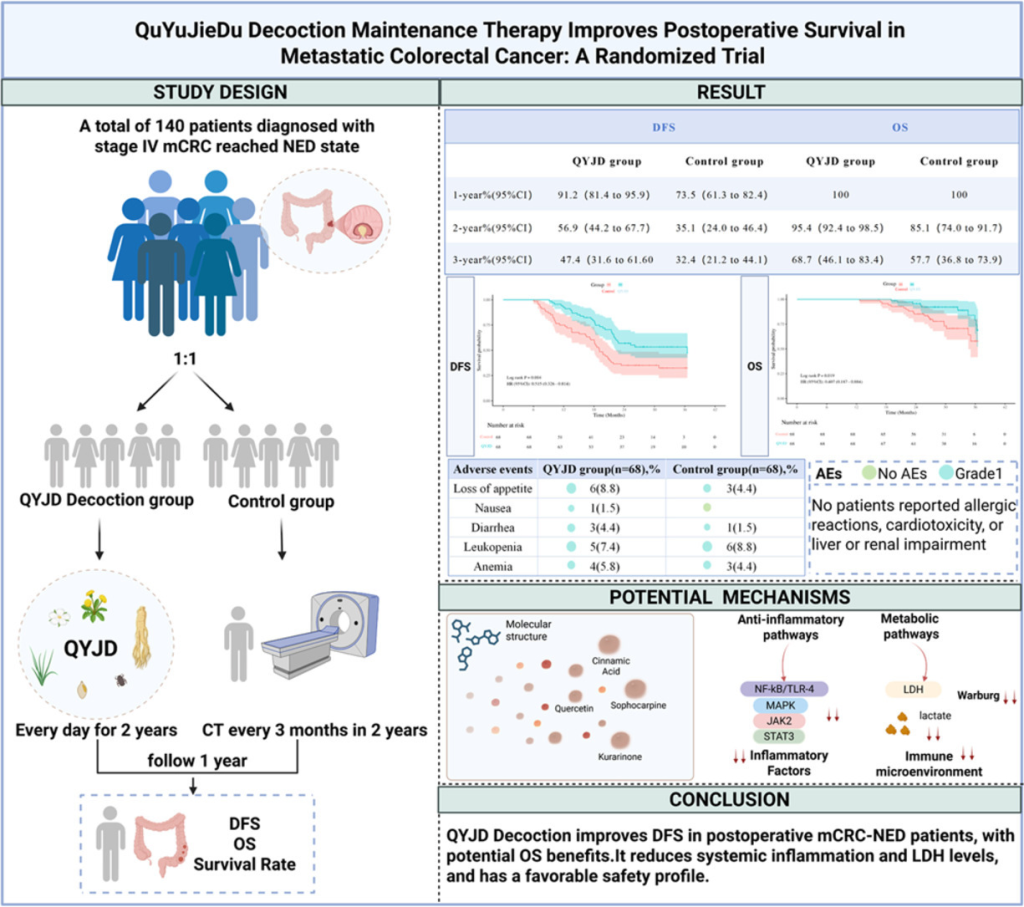
A Chinese herb formula, Qu-yu-jie-du decoction, improves postoperative survival in metastatic colorectal cancer

Introduction

In recent years, advances in surgical techniques and systemic therapies have enabled a subset of metastatic colorectal cancer (mCRC) patients to attain no evidence of disease (NED) status following complete tumor resection or localized treatment. However, this does not guarantee eradication: approximately 60–70 % of these patients (as reported in the JCOG0603 and EORTC40983 studies) experience recurrence or metastasis within five years—a leading cause of mortality.

Although adjuvant chemotherapy can extend postoperative disease-free survival (DFS)—improving rates from 38.7 % to 49.8 % in JCOG0603—it does not significantly improve overall survival (OS). In unresectable or partially resected mCRC, maintenance regimens such as capecitabine monotherapy after induction chemotherapy or bevacizumab plus capecitabine (e.g., the CAIRO3 trial) yield only modest progression-free survival gains and are not indicated for patients rendered disease-free by surgery. Attempts to prolong adjuvant chemotherapy beyond six months (e.g., the IDEA collaboration) likewise do not improve survival and increase cumulative toxicities (e.g., neuropathy, myelosuppression). Moreover, some studies suggest that postoperative chemotherapy may induce resistance in dormant tumor cells, ultimately shortening OS after recurrence.

QYJD decoction is a traditional Chinese medicine (TCM) formula composed of eight herbal ingredients (Table 1A), including Persicae Semen (Taoren) and Eupolyphaga seu Steleophaga (Tubie), and is traditionally used in colorectal cancer treatment.

Previous studies have shown that QYJD decoction inhibits colon cancer stem cell proliferation and migration (HCT116) (Tian-Tian et al., 2020), and provides protective effects in animal models by activating the Nrf2 antioxidant pathway and reducing inflammation (Fang et al., 2018). It has also been found to decrease myeloperoxidase (MPO) activity and reduce pro-inflammatory cytokines such as IL-1β, IL-6, TNF-α, and chemokines like CCL2 and CXCL2 in colon tissues (Zhao et al., 2022). Additionally, QYJD decoction mitigates macrophage infiltration and liver metastatic tumor volumes by regulating the CCL2/CCR2 signaling axis and modulating epithelial-mesenchymal transition (Zhao et al., 2022). From a TCM perspective, postoperative colorectal cancer patients transition from a state of ‘excess’ to ‘deficiency’ due to the effects of surgery and chemotherapy, often leading to a recurrence of ‘stasis-toxicity’ as the disease progresses. This imbalance, marked by residual ‘hidden toxins’ and blood stasis, is central to the disease’s pathogenesis. TCM interventions aim to resolve this imbalance by clearing ‘phlegm,’ eliminating ‘stasis,’ and addressing ‘dampness.’ Preliminary evidence suggests that QYJD decoction not only addresses these imbalances but also modulates the inflammatory microenvironment by regulating M2 macrophage-related inflammatory factors such as IL-1β, IL-6, TGF-β, and CCL2, which aligns with the inflammatory-lactate signaling pathway. This pathway has been implicated in tumor progression and metastasis, supporting the hypothesis that QYJD decoction may prevent postoperative recurrence and metastasis by targeting chronic inflammation and metabolic disturbances in the tumor microenvironment.

Purpose: To determine whether QYJD decoction improves disease-free survival (DFS) and modulates inflammation/lactate metabolism in postoperative mCRC-NED patients.

Methods/design: In this single-center randomized trial, 140 stage IV mCRC patients achieving post-resection NED status were randomized at a ratio of 1:1 to either a QYJD group (200 mL/day for 2 years) or a control group (routine follow-up). Two patients per group withdrew consent prior to the intervention, resulting in an intention-to-treat (ITT) population of 136 patients (68 per group) for the final analysis. All received standard adjuvant chemotherapy. The primary outcome was DFS; secondary outcomes were OS, 1-/2-/3-year survival rates, adverse events, and inflammation/lactate metabolism markers.

Results: Compared to the control group, QYJD decoction significantly improved DFS throughout the observation period (HR = 0.515, p = 0.004). The 1-year DFS rate was 91.2 % (62/68) in the QYJD group versus 73.5 % (50/68) in the control group (p < 0.01); the 2-year DFS rate was 56.9 % (40/68) in the QYJD group versus 35.1 % (25/68) in the control group (p = 0.002); and the 3-year DFS rate was 47.4 % (32/68) in the QYJD group versus 32.4 % (22/68) in the control group (p = 0.03). Significant differences were observed across all time points (1-year, 2-year, and 3-year) for DFS. Regarding overall survival (OS), the 2-year OS rate was 95.4 % (65/68) in the QYJD group versus 85.1 % (58/68) in the control group (p = 0.01), and the 3-year OS rate was 68.7 % (47/68) in the QYJD group versus 57.7 % (39/68) in the control group (HR = 0.407, p = 0.019). QYJD also significantly reduced inflammatory markers and lactate dehydrogenase (LDH) (p < 0.05). The most common adverse events were grade 1 hematologic toxicity, anorexia, diarrhea, and nausea, which were generally mild and manageable.

Conclusion: QYJD decoction significantly improves DFS and shows OS benefits in postoperative mCRC-NED patients. It also reduces systemic inflammation/LDH, and in terms of safety, only causes mild adverse events.

Reference:

Jiaming Wu , Cui Shao , Yu Dong , Jincheng Meng , Huatang Zhang , Liming Lu , Lizhu Lin , Cantu Fang . Qu-yu-jie-du decoction maintenance therapy improves postoperative survival in metastatic colorectal cancer: a single-center randomized trial with 36-month follow-up. Phytomedicine. 2025 Oct:146:157143. doi: 10.1016/j.phymed.2025.157143.

Acupuncture for pleural effusion in lung cancer

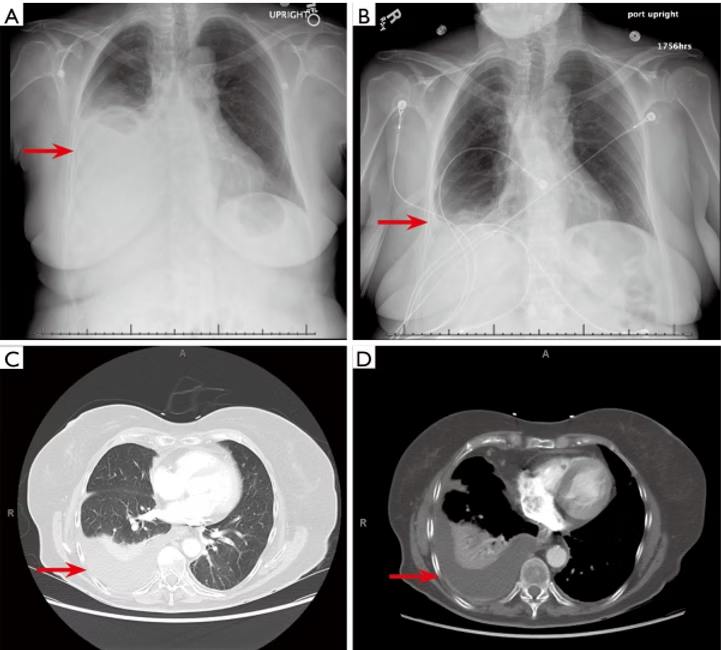
According to American Cancer Society estimates, lung cancer remained the deadliest malignancy in the United States in 2018. It is the second most prevalent cancer in men and women and the commonest cause of a malignant pleural effusion (MPE), accounting for approximately 30% of such effusions. The course of about 15% of patients with non-small cell lung cancer (NSCLC) is complicated by a documented MPE. The presence of an MPE in the setting of lung cancer indicates stage IV disease and is an independent determinant of shorter survival. Despite overall progress in the survival of stage IV lung cancer patients in recent times, the occurrence of an MPE as a complication of lung cancer still portends a very poor prognosis in most cases. the median survival of lung cancer patients with pleural and/or pericardial effusion is approximately, 11 months. Individual center experience suggests that specific institutions are observing far worse survival closer to 5 months. Apparently, we need to find new approaches for this critical condition.

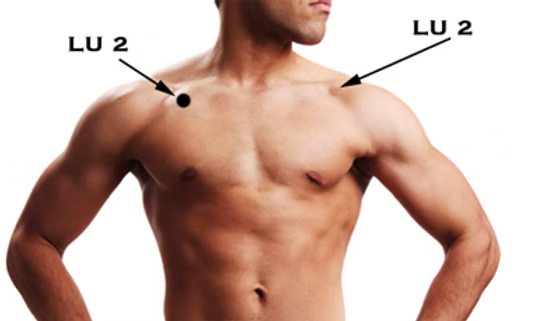
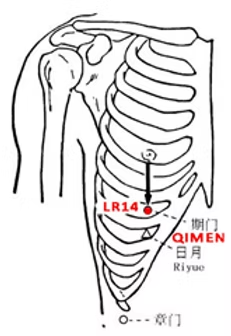
Fortunately, clinical studies of acupuncture have provided very encouraging data. In that study, eighteen MPE patients confirmed by histopathological and/or cytological examinations were treated by acupuncture by selecting Yunmen (LU 2), Qimen (LR 14), Zhangmen (LR 13), Jingmen (GB 25), Guanyuan (CV 4), Zhongji (CV 3), Shuidao (ST 28), and Guilai (ST 29) as the major points. The treatment was given once every other day, 3 times a week, 4 weeks as a treatment course, and the therapeutic efficacy was evaluated 1 course later. Result Of the 18 patients, 6 got complete remission, 9 got partial remission, 2 achieved stable condition, while 1 didn’t respond to the treatment, and the total effective rate was 83.3%. Of the 5 cases with encapsulated pleural effusion, 2 got complete remission and 3 got partial remission, and the total effective rate was 100.0%. The amount of pleural effusion (anteroposterior diameter of the fluid), comprehensive score of symptoms, item scores of the symptoms, and Karnofsky Performance Status (KPS) score were changed significantly after treatment (P<0.01). This date indicates that acupuncture is an effective method in treating MPE and can swiftly improve the symptoms and improve the quality of life.

Acupunctural therapy in the treatment of pleural effusion has a basis in both traditional Chinese and Western medicine theories. In Western medicine, the drainage of pleural effusion is achieved by burying tubes in the chest. The three acupoints at Qimen (LV 14), Zhangmen (LV 13), and Jingmen (GB 25) are front-mu points of the liver, spleen, and kidney, which regulate water metabolism. Any disease or discomfort in the body may result in a corresponding reaction at the corresponding front-mu points. Pleural fluid is accumulated in the membrane located in the visceral and parietal layers of the pleura. By acupuncturing Qimen, Zhangmen, Jingmen, and Yunmen (LU 2), we can regulate the qi and blood in the liver, spleen, and kidney. Further, we can treat pleural effusion by stimulating the pleura. In clinical practice, needle insertion at these four acupuncture points can rapidly improve chest oppression and pain, but it does not eliminate pleural effusion. However, a combination of kidney-governing water (metabolism) and Guanyuan (RN 4) and Zhongji (RN 3) acupuncture can rapidly discharge pleural effusion, even wrapped pleural effusion, which is intractable in both TCM and Western modern medicine.

References:

  1. LI Bo, WANG Bi-yu, YANG Ming, HUANG Jin-chang. Therapeutic Observation of Acupuncture for Malignant Pleural Effusion of Moderate Volume. Shanghai Journal of Acupuncture and Moxibustion.2016;7:823-826.
  2. Oleg Epelbaum, Najib M. Rahman. Contemporary approach to the patient with malignant pleural effusion complicating lung cancer. Ann Transl Med 2019;7(15):352